
In this ongoing series, we’re taking a closer look at what actually works when dealing with cancer—especially the approaches that don’t always make headlines.
When you hear the word mistletoe, you probably think of the holidays… not cancer.
I didn’t either—until I was fighting for my life.
What surprised me even more was learning that this wasn’t some fringe idea. In parts of Europe—especially Germany and Switzerland—mistletoe therapy has been used in oncology for decades. In fact, it’s one of the most commonly prescribed complementary treatments there.
That stopped me in my tracks.
Because if something has been quietly used for generations in cancer care… why weren’t more people here talking about it?
I had been diagnosed with Stage 4 Melanoma. Conventional treatments weren’t working. I knew it was time to take my health into my own hands.
But what to do? That was the million dollar question.
At a time when everything felt uncertain, I wasn’t just looking for something to attack the cancer. I was looking for something that could help improve my energy, my strength, my ability to keep going when my body felt like it had nothing left to give.
That’s when I was introduced to mistletoe therapy—specifically a well-known European preparation called Iscador. And it wasn’t presented to me as a miracle cure.
It was something different.
Something quieter.
A way to support the body—especially the immune system—during one of the most difficult battles a person can face.
And that distinction mattered more than I realized at the time.
A Different Philosophy of Healing
One of the things I learned early on is that not all cancer therapies are designed with the same goal in mind.
Some are focused entirely on destroying the disease. And while that’s important, there’s another side of the equation that often gets overlooked—supporting and building up the body’s defenses and resilience.
In countries like Germany and Switzerland, mistletoe therapy has been used alongside conventional treatments for decades. It’s one of the most commonly prescribed complementary therapies in European oncology, not because it replaces standard care—but because it helps patients tolerate it better.
That idea stuck with me. It just made sense.
Because when your body is already under stress, what you add to the equation should help you feel stronger… not weaker.
What The Research Shows
Over the years, a growing body of research has explored mistletoe’s role in cancer care. While results vary depending on the study, one area where the findings are remarkably consistent is in quality of life.
Patients using mistletoe therapy often report:
- More stable energy
- Better appetite
- Improved sleep
- Less fatigue during treatment
Some studies have even suggested improvements in overall survival—but just as important, many patients simply feel better while going through treatment.
And that’s not a small thing.
Because when you feel better, you’re able to stay engaged. You’re able to keep moving forward. You don’t feel like you’re just surviving—you feel like you’re participating in your own recovery.
My Experience With Mistletoe
For me, mistletoe therapy became part of a larger strategy—one that focused not just on fighting cancer, but on rebuilding my body at the same time.
What I first noticed wasn’t dramatic. And it didn’t happen overnight.
But I felt more stable. More capable. Like my body had a little more reserve to draw from.
And when you’re in the middle of a serious illness, that kind of support can make all the difference.
>> Read more about my experience with Iscador (an extract of mistletoe) to rebuild my immune system, in Chapter 5 of my book, I Used to Have Cancer.
Why This Still Matters Today
Therapies like mistletoe are part of that conversation—not as a replacement for conventional care, but as a way to support the terrain of the body itself.
Because healing isn’t just about eliminating disease.
It’s about restoring strength.
A More Thoughtful Approach to Delivery
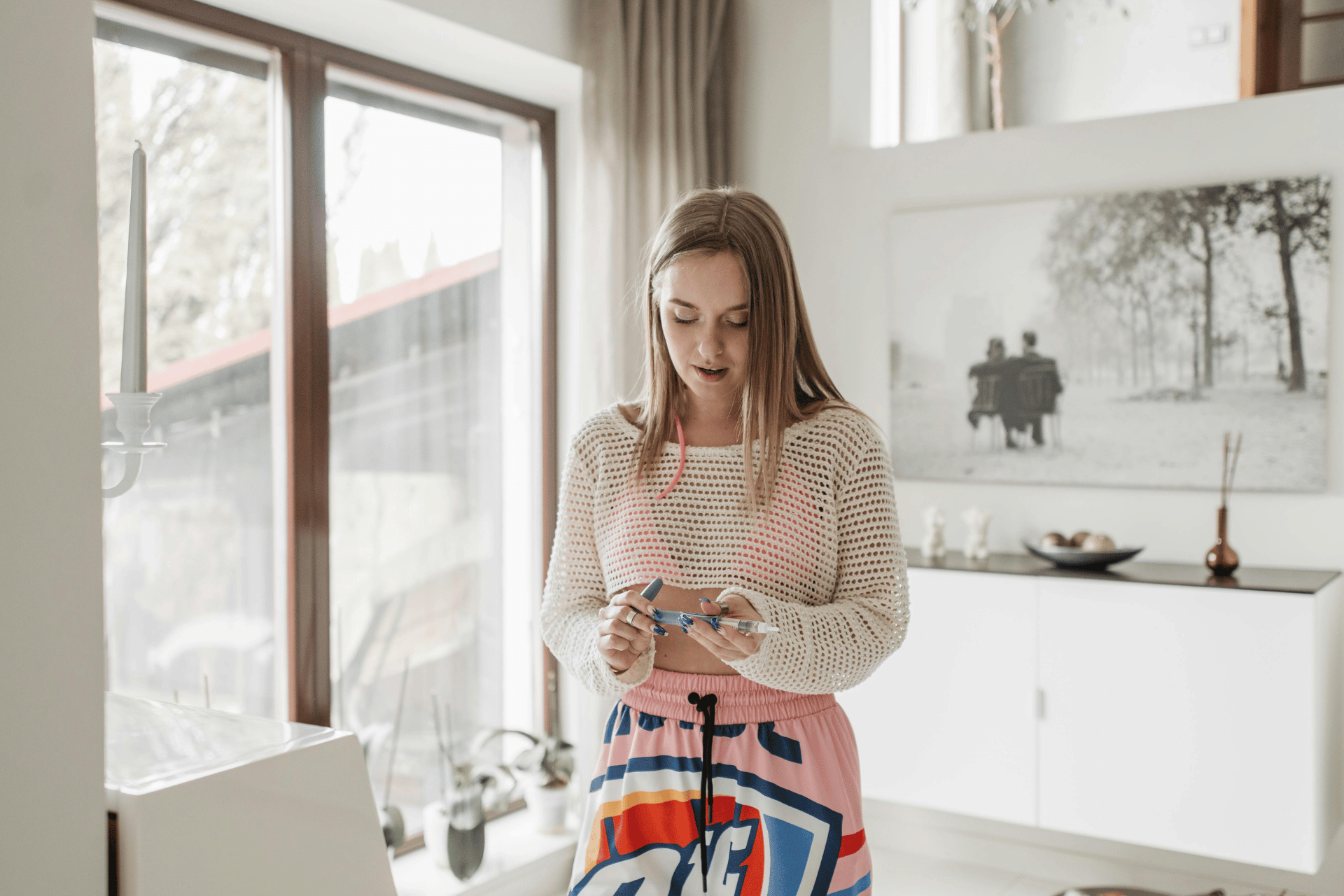
Mistletoe therapy is most commonly given as a small, subcutaneous injection—just under the skin, often in the abdomen or thigh. It’s a simple method, but there’s a reason it’s been used for so long.
This type of delivery allows the body to respond gradually. But more importantly, it stimulates the immune system in a very real, measurable way.
What I came to understand is that mistletoe isn’t just “supportive” in a vague sense. It’s active. It helps wake up parts of the immune system that play a critical role in fighting cancer—natural killer (NK) cells, macrophages, and T-cells.
These are the body’s front-line defenders.
And when mistletoe is doing what it’s supposed to do, you can often feel it.
Some people—including myself—notice mild, temporary flu-like symptoms after an injection. Maybe a slight fever, a little fatigue, or a general sense that something is happening in the body.
At first, that might sound concerning.
But in many cases, it’s actually a sign that the immune system is being activated—that the body is responding, engaging, and doing what it was designed to do.
For me, those symptoms didn’t last long. They would come and go, usually mild, and over time they became part of the process.
Not something to fear…
but something to understand.
Over time, the way mistletoe is administered has become more personalized. Dosing is often adjusted based on the individual—how they’re feeling, how their body responds, and where they are in their treatment journey.
But the goal remains the same.
Not to overwhelm the body…
but to activate and support it at the same time.
Why This Matters
Mistletoe therapy is about doing something that actually supports the body in a meaningful way.
Because when you’re dealing with cancer, it’s not just about attacking the disease…
it’s about whether your body has the strength to stay in the fight.
What stood out to me is that mistletoe works with the immune system—not against it. It helps activate those critical defenses—natural killer cells, macrophages, and T-cells—the very systems your body relies on to recognize and respond to abnormal cells.
That’s a very different approach that most people are used to.
In my experience, it’s very important.
A Final Thought
Looking back, one of the biggest lessons I learned is this:
Healing isn’t just about what you use to fight the disease…
It’s about what helps your body stay strong enough to keep fighting.
Mistletoe was never presented to me as a cure.
But it became something just as important.
It helped activate my immune system—waking up those natural defenses like NK cells, macrophages, and T-cells that are designed to recognize and respond when something isn’t right.
And when it’s working, you can often feel it.
Those mild, temporary flu-like symptoms some people experience…
they’re not always a setback.
In many cases, they’re a signal that the body is engaging—that the immune system is responding and stepping back into its role.
For me, that mattered.
Because in the middle of everything…
when so much feels out of your control…
knowing your body is still working with you
changes the way you face the fight.
Not every therapy needs to be aggressive to be meaningful.
Sometimes, the most important ones are the ones that help your body hold its ground…
restore its strength…
and stay in the fight a little longer.
And in my experience, that can make all the difference.
Learn More:
- Who Knew Mistletoe Could Be a Potent Cancer-Fighter?
- Can We Kiss Cancer Goodbye with Mistletoe Extract Therapy?
- Video Interview with Michael Karlfeldt in which mistletoe therapy is one of many techniques he uses to assist cancer patients.
Resources include:
National Cancer Institute, “Mistletoe Extracts (PDQ®)–Health Professional Version,” Mistletoe Extracts (PDQ®), last modified November 6, 2024, accessed April 12, 2026.
Loef M, Walach H. Quality of life in cancer patients treated with mistletoe: a systematic review and meta-analysis. BMC Complement Med Ther. 2020 Jul 20;20(1):227. doi: 10.1186/s12906-020-03013-3. PMID: 32690087; PMCID: PMC7370416.